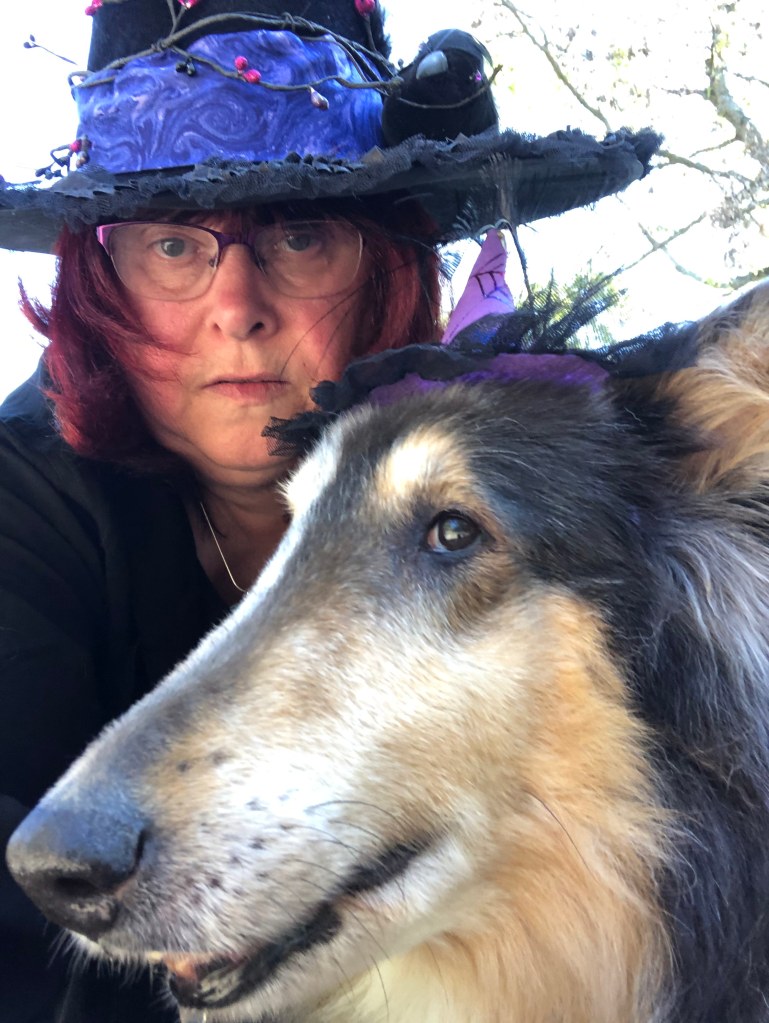
I’ve been an herb and wildflower gardener since the early 1970s, and thanks to my grandmother interested in fairies since I was a child. My background is in geology, so I am drawn to crystals as well. Just the all-round hedge witch with a cat and a collie.
“Lemon balm will causeth the mind and heart to become merry.” — Nicholas Culpepper (1616-1654)
The Complete Herbal, 1652
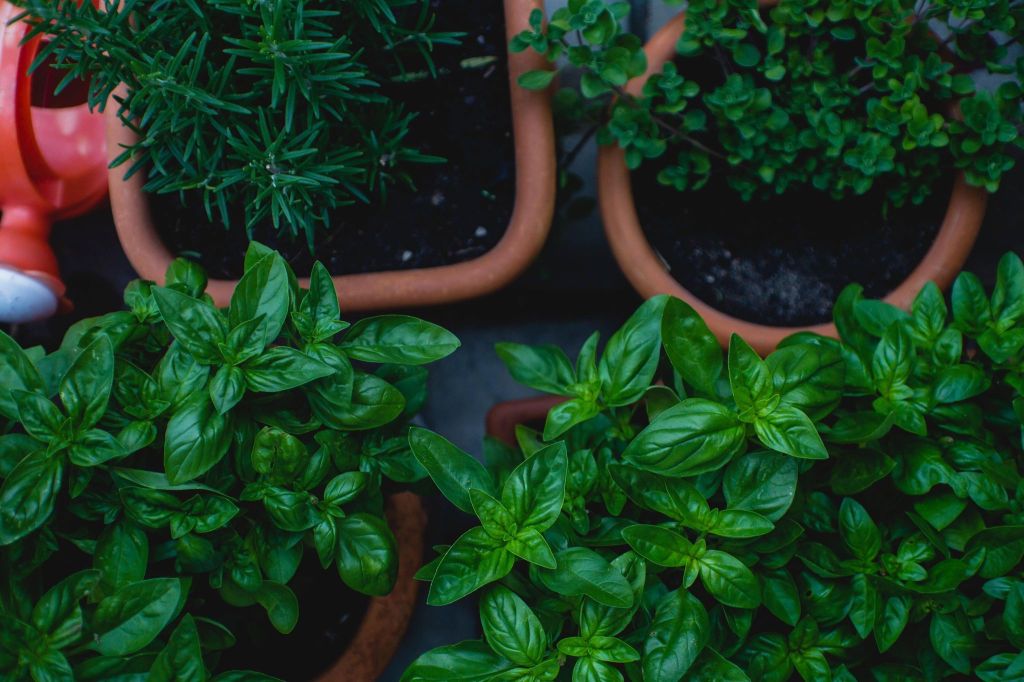
I wasn’t sure what my first column would be, but when I recently responded to someone asking about herbs for a garden, way led onto way as things often do with me. The twist here is that we will focus on the books I used to select the herbs for that garden, rather than the herbs themselves. We will get to those at a later time.
In doing some quick research to respond to this request on plants for the magickal garden, I decided to look, not only at information in my traditional herb resources, but also delve into some of the newest books I’d picked up over the past few years. There seems to be an explosion right now in this area and I try to keep up to date. I composed my short plant list and then looked to see what the authors discussed about each herb. I have to say I was stunned with some of the newer books. Much to my surprise and chagrin, it’s clear some authors are not checking the medicinal and toxicity properties of these herbs. It’s vital to do so when using and recommending any plant, whether fresh or dried, when using root, stem, leaf or flower. It can literally mean life or death and even more so if someone is already on prescribed medication. As practitioners, we must always be aware of dangerous side effects and knowing our ingredients goes beyond our own personal use when dispensing knowledge and especially in recipes and remedies!
When I was in college in the late seventies, I worked part-time at our local public library. One night the librarian called and said can you take all your wildflower guidebooks and go to the hospital? A three year-old ingested a wild plant and they need you to identify it! Being in my twenties, I was in a panic state myself with no idea what I was up against. When I arrived, I was happy to discover hospital personnel had the plant and I recognized it as Phytolacca Americana (Pokeweed). The toddler, thankfully had only eaten berries, not leaves or roots. I had pictures in my guides and then they could call Poison Control with a positive identification. The child recovered, although his stomach was pumped which was not a pleasant experience for one so small. However, had he eaten the root and leaves, it would have been a very different story altogether and even worse had it been Actea pachypoda (white baneberry) commonly called Doll’s Eyes, which was what I was worried about.
Each plant part can make a difference as I mentioned earlier and this underscores the critical importance of understanding the biology and physiology of the herbs we use. I saw recipes in one book using leaves that were medically contraindicated for tea, and yet were included in a recipe which the FDA said was specifically not to be used. I find this very disturbing and quite reckless as the general public have no idea and trust authors in general.
My advice is to use the very best reference books written on herbs by gardeners /botanists in conjunction with the best of these newer magickal herb books. Herb gardeners know their plants! It’s absolutely critical to cross-check these herbal toxicities before including these herbs in recipes! Know the plant before you ingest it yourself or give it to someone. These plants have chemicals as do everything biological and they will affect your own health! The very best way to learn about herbs is to find a local herb nursery. Join the Herb Society of America or local herb group. Take classes at your gardening centers or local cooperative extension. I’ve learned so much via all of these methods. Plus, once in a local herb group, friends want to share and who wants to turn down free plants or their deep knowledge? Then start building your reference library and planning and planting your garden. Build on what you learn from friends, experts, experience and research. Never stop learning and researching as we do learn more every year and become better herbalists.
I’m including a list of older favorites and well as some of the newer books where authors have done due diligence. Always double check herbs for safe use. Be very careful with the magickal herbs especially more so, if they are the poisonous ones.
From the Fairy Hill Farm Library – Arranged with delightful spiritual abandon…
Kowalchik, Claire (Editor). Rodale’s Illustrated Encyclopedia of Herbs. Rodale Press, 2000. This is an excellent source of information with toxicity information including FDA information. Use http://www.fda.gov for the latest information from the FDA. PubMed is the public research catalog for the National Library of Medicine and available free to the public. They are also a great source of information on the latest in herbal research studies.
Welcome to Mystical Musings. This is an eclectic blog which will touch on my many interests as a hedge witch from my early days in herbal and wildflower gardening to crystal divination and spell work. I hope you will travel down these mystical paths with me as I explore what I’ve learned over these fifty+ years from friends, experts, study, books, my animal companions and the wildlife I’ve been fortunate to meet at my homes and in my travels. And perhaps you will share your mystical musings as well…
 Mystical Musings